
Meta Description
Steel drum reconditioning, painting, cleaning, and surface treatment equipment are gaining attention as companies look for sustainable and cost-effective industrial packaging solutions.
Reuse and Reconditioning Are Becoming Important Trends
As environmental awareness increases, many industries are paying more attention to reusable and recyclable packaging. Steel drums have a natural advantage in this trend because they can be cleaned, repaired, tested, repainted, and reused.
Compared with single-use packaging, reconditioned steel drums can help companies reduce packaging waste and lower purchasing costs. This is especially attractive for chemical, petroleum, coating, lubricant, and industrial material companies.
The U.S. Environmental Protection Agency describes drum reconditioning as a process that includes cleaning, restoring, testing, and certifying industrial containers for resale and reuse. Common processes include burning off residuals in a drum furnace and washing drums with water or caustic solution.
Because of sustainability and cost-control pressure, the reconditioned steel drum market is expected to keep growing. Industry reports also point out that environmental regulations and circular economy policies are encouraging drum reuse and recycling.
Why Reconditioned Steel Drums Are Attractive
For many end users, reconditioned steel drums are not just environmentally friendly. They are also economically practical.
The main advantages include:
- Lower cost than new drums
- Reduced industrial packaging waste
- Reuse of existing steel resources
- Shorter local supply cycle
- Suitable for many non-critical applications
- Better compliance with sustainability targets
For distributors and service companies, drum reconditioning can also become a stable business. Used drums can be collected, cleaned, repaired, tested, repainted, and resold to local customers.
Drum Reconditioning Requires Proper Equipment
A professional drum reconditioning process needs more than manual cleaning. To ensure safety and appearance, factories usually need a complete set of equipment.
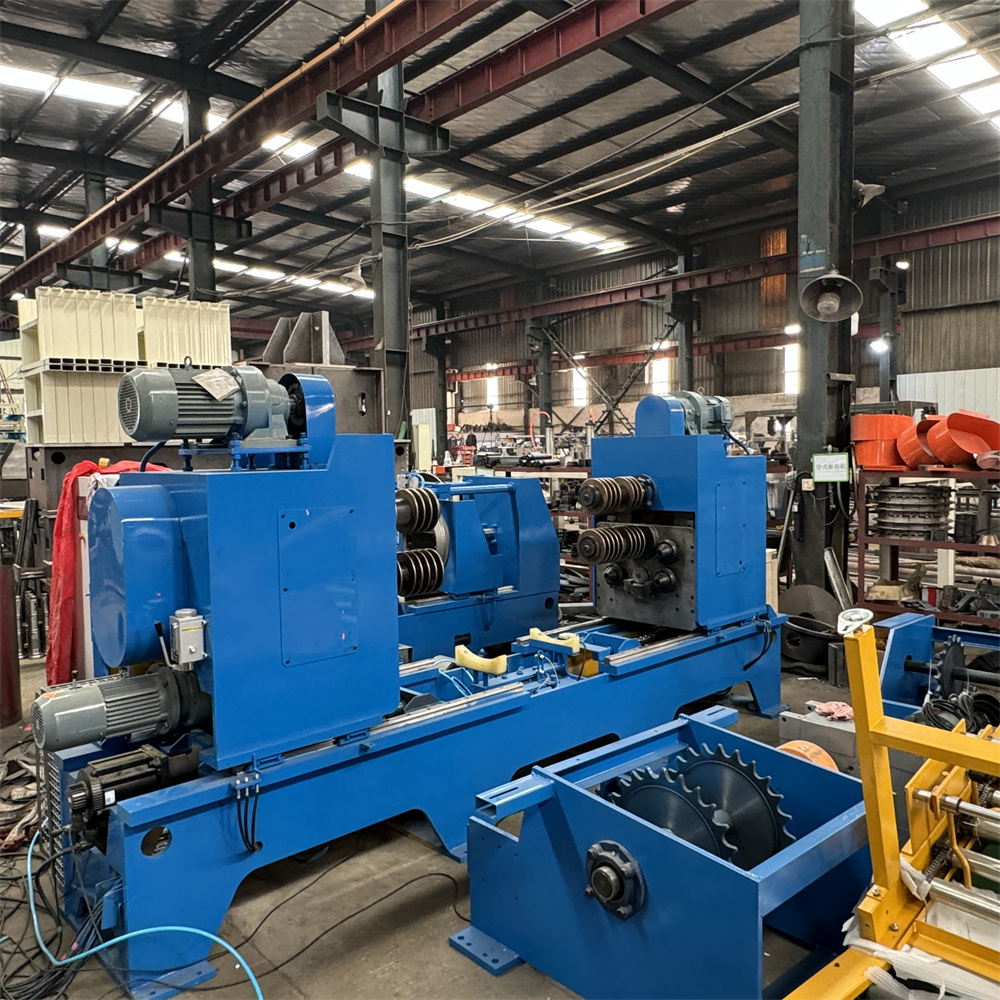
Common steel drum reconditioning equipment includes:
- Drum internal cleaning machine
- Drum external washing machine
- Drum burning furnace
- Drum shot blasting machine
- Drum dent repairing machine
- Drum leakage testing machine
- Drum drying oven
- Drum painting line
- Drum printing or heat transfer machine
- Drum inspection and handling system
Each step has its own function. Cleaning removes residual materials. Burning or washing prepares the drum for reuse. Dent repairing improves shape and appearance. Leakage testing checks sealing performance. Painting gives the drum a new protective surface.
For customers handling used chemical drums, safety and environmental control are especially important. Waste gas, wastewater, and residue treatment should be considered when designing the production process.
Surface Treatment Directly Affects Drum Quality
Whether for new steel drums or reconditioned drums, surface treatment is one of the most important steps.
A good painting or coating process can improve:
- Corrosion resistance
- Drum appearance
- Brand image
- Outdoor storage performance
- Customer acceptance
- Service life
For new oil drum production, painting lines are often used after drum forming and leakage testing. For reconditioned drums, repainting helps restore the drum’s appearance and makes it suitable for resale.
Common surface treatment solutions include:
- Wet painting line
- Powder coating line
- Drying oven
- Surface pretreatment line
- Heat transfer printing machine
- Logo and label printing system
For many oil drum factories, a stable painting line can significantly improve the final product value. A clean, smooth, and consistent drum surface makes the product look more professional and easier to sell.
Automation Improves Safety and Production Efficiency
Drum reconditioning and painting involve cleaning, heating, spraying, drying, and material handling. If these steps are done manually, labor intensity is high and production consistency may be poor.
Automatic or semi-automatic equipment can help factories improve:
- Worker safety
- Production efficiency
- Coating consistency
- Cleaning quality
- Energy use control
- Drum handling efficiency
- Environmental management
- Final product appearance
For example, an automatic drum painting line can reduce manual spraying and improve coating uniformity. A drum drying oven can ensure stable drying temperature and improve paint adhesion. A leakage testing machine can help identify defective drums before delivery.
New Business Opportunities for Drum Service Companies
In many countries, not every customer wants to invest in a full new drum production line. However, many companies need drum cleaning, repair, repainting, and reuse services.
This creates opportunities for:
- Used drum recycling companies
- Chemical packaging service providers
- Oil and lubricant distributors
- Industrial packaging suppliers
- Drum maintenance workshops
- Local steel drum manufacturers
A reconditioning line requires less investment than a full new drum production line, but it can serve a wide customer base. It is especially suitable for markets with many chemical plants, lubricant factories, paint factories, and industrial zones.
How to Choose the Right Drum Reconditioning Solution
Before investing in a drum reconditioning line, customers should confirm several key points:
- What type of drums need to be processed?
- What materials were previously stored in the drums?
- What is the required daily capacity?
- Is internal washing or burning required?
- Is dent repair needed?
- Is repainting required?
- Are there local environmental requirements?
- What level of automation is suitable?
A reliable equipment supplier should design the process according to the customer’s actual drum condition and target market. For some customers, a basic cleaning and painting line is enough. For others, a complete reconditioning system with furnace, washing, testing, and painting may be necessary.
Conclusion
Sustainability, cost control, and circular economy policies are creating new opportunities in the steel drum reconditioning industry. At the same time, surface treatment equipment is becoming more important for both new drum production and used drum refurbishment.
For companies in oil, chemical, lubricant, and industrial packaging markets, investing in drum cleaning, repairing, painting, and testing equipment can open a practical and profitable business direction.
As global industries continue to focus on reuse, recycling, and packaging cost reduction, steel drum reconditioning and surface treatment equipment will play a more important role in the future industrial packaging market.